 ArrowWord Games
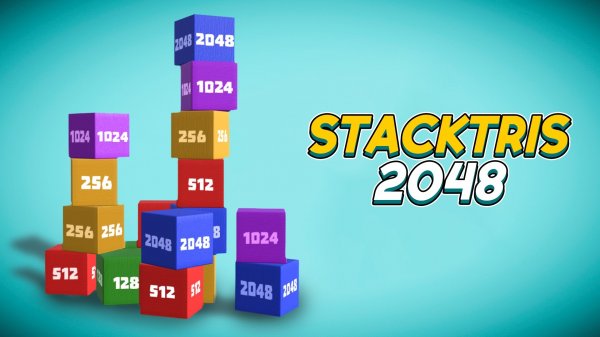
Number Merge Stack Puzzle combines two familiar puzzle ideas: number merging and block stacking. The lack of a timer encourages thoughtful placement, and the 3D view adds a mild spatial challenge that distinguishes it from flat 2048 variants. Its strengths are accessibility and a relaxed pace. The main limitation is that the input does not describe progression systems, level variety, or multiplayer, so players seeking long-term goals or competition may find it narrow.
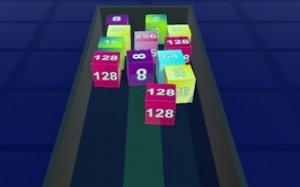
Number Merge Stack Puzzle asks you to drop dice onto a grid, aiming to place matching numbers next to each other. When two identical dice touch, they combine into a single die with a higher value, following the same doubling principle familiar from 2048. The twist is the stacking element: dice occupy physical space, so where you drop them affects both current matches and future options. You control each drop with keyboard keys or the mouse, adjusting aim before releasing. The grid becomes a puzzle of spatial planning as much as numerical logic.
The game presents its grid from a 3D perspective, which changes how you read the board. Depth makes it easier to see how dice sit relative to one another, and successful merges produce a visual payoff that flat 2D grids cannot match. That perspective also adds a mild layer of challenge: judging alignment and anticipating where a die will settle requires a bit more attention than a top-down view. It is a small but meaningful difference that keeps the stacking feel tactile.
There is no timer. You can study the grid, trace possible merge chains, and place each die only when you are satisfied with the outcome. That design choice shifts the game away from reflex-driven puzzle play and toward deliberate planning. Sessions can be as short as a few drops or as long as you like, since nothing forces a decision. For players who prefer thinking over speed, this removes the usual pressure of falling-block puzzles.
If you enjoy number puzzles that reward foresight and tidy board management, this game targets that interest directly. The combination of merging and stacking means you are not just chasing a single high number—you are also managing space. Players who like 2048, Threes, or block-stacking games will recognize the core loop, while the 3D presentation and relaxed pacing give it a distinct feel. It is accessible to most ages because the rules are simple to grasp, even when the board gets crowded.
Sign in to comment
You must be logged in before posting a review or rating.
No comments yet. Be the first to comment!
Editorial Notes