 ArrowWord Games
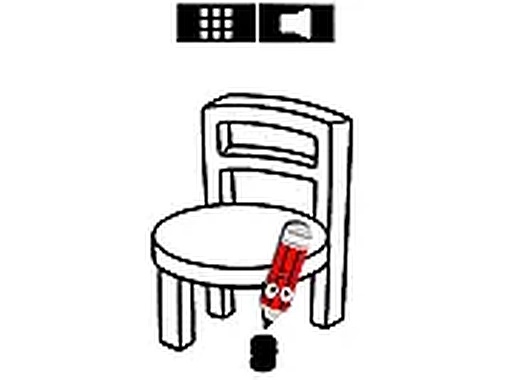
Complete the Drawing Puzzle is narrow by design: find the missing element, draw it, move on. That focus is its strength for younger players, who get repeated practice in attention to detail and spatial reasoning without timers or scoring pressure. The hint system and gradual difficulty curve keep it from becoming frustrating. Adults seeking a substantial challenge may find the format too gentle, and the browser requirement means no offline play.
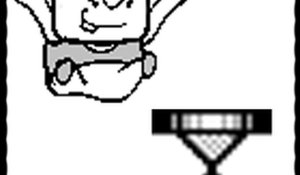
Complete the Drawing Puzzle is built on a single repeated task: look at an incomplete picture, work out what is absent, and draw that missing part yourself. The game does not ask you to copy a reference or trace a shape. You have to identify the gap first, which makes visual analysis the real skill being tested. A scene might be missing a line, a shape, or a larger composition element, and the drawing step only begins after you have decided what belongs there.
Puzzles are ordered so the earliest ones use basic shapes and obvious missing lines. That gives a new player room to understand the format without instruction. Later scenes hide the missing piece more effectively, so you have to scan the image more carefully and think about what would make the picture complete. The progression is deliberate rather than steep, which keeps the activity from swinging between boring and frustrating.
Input is limited to drawing. On a computer you click and drag to create lines; on a phone or tablet you swipe with a finger. There is no separate tool palette or menu system to learn, and the game runs inside a web browser, so nothing needs to be installed. That combination makes it usable on shared family devices without setup.
When a puzzle stalls, a hint system offers a nudge toward the missing element rather than drawing it for you. The hint points at where to look or what kind of element is absent, leaving the actual solution to the player. Because hints can be used sparingly, they work as a pressure valve instead of a shortcut that removes the challenge.
Scanning each image for an omission builds attention to detail. Deciding where a line or shape should sit exercises spatial reasoning. Working out a non-obvious missing piece requires creative problem-solving. The format suits children practicing these skills in a low-pressure setting, and it also works as a light mental exercise for adults who want something calm rather than competitive.
Sign in to comment
You must be logged in before posting a review or rating.
No comments yet. Be the first to comment!




Editorial Notes