 ArrowWord Games
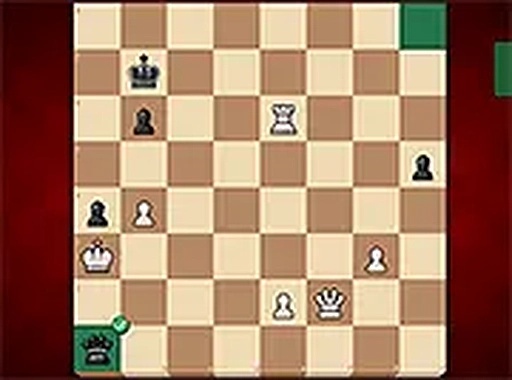
Chess Tactics: Single Move Checkmate does one thing and does it without clutter. The puzzles are self-contained, the interface is minimal, and the difficulty curve moves from simple patterns to subtler combinations. It suits players who already know how the pieces move and want to sharpen tactical vision in brief sessions. The main limitation is narrow scope: there is no full-game play or advanced strategy here, only the single-move checkmate hunt.
Each puzzle places you in a specific board position where a single move ends the game immediately. There is no opening theory, no middlegame planning, and no endgame technique to manage. The entire task is recognizing the winning move from the arrangement in front of you. This narrow focus makes every puzzle a self-contained problem that fits into a short break. You click or tap a piece, select its destination, and the game confirms whether you found the checkmate.
Puzzles are organized into groups that grow harder over time. Early sets use few pieces and straightforward setups, which lets newer players absorb common tactical motifs like forks, pins, and discovered checks. Later groups add more pieces and require deeper calculation before the winning move becomes clear. That gradual curve keeps the challenge manageable while steadily expanding what you can spot quickly. [IMG_1]
The interface is intentionally plain: select a piece, choose a square, and receive immediate confirmation. A hint system is available when you are stuck, though the game does not force you to use it. Everything runs in a mobile or desktop browser without any download, and a full-screen mode removes distractions for longer solving sessions.
Repeatedly hunting for the one winning move trains pattern recognition, which is the same skill that separates strong tactical players in full games. You also reinforce king safety, piece coordination, and tempo without studying those concepts in isolation. The puzzles do not replace playing complete games, but they offer a focused way to sharpen the tactical eye that supports every other part of chess.
Sign in to comment
You must be logged in before posting a review or rating.
No comments yet. Be the first to comment!


Editorial Notes