 ArrowWord Games
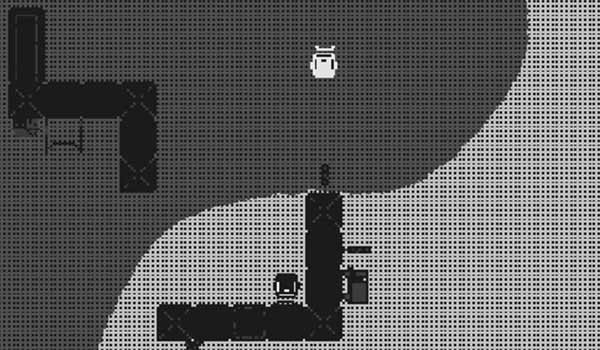
Dual Path Puzzle stands out for its dual-character control scheme, which turns every level into a lesson in synchronization and planning. The absence of timers or failure penalties encourages experimentation, while the gradual difficulty curve keeps frustration low. Minimalist visuals and ambient audio support focus. It suits players who enjoy logic puzzles and family-friendly challenges, though those seeking fast action may find the pace too slow.
In Dual Path Puzzle, you control two characters at the same time. Each must reach a shared goal, but their movements are linked. Understanding how one character's position and actions influence the other is the central challenge. Success comes from synchronized movement and knowing when to pause. [IMG_1]
Levels introduce complexity gradually. Early stages focus on basic coordination, while later areas add environmental elements that demand precise timing. The design avoids sudden difficulty spikes, letting you build skills naturally. New mechanics appear in controlled settings, giving you time to experiment without pressure. [IMG_2]
The minimalist visual style keeps characters and obstacles distinct, helping you focus on the puzzle. Gentle ambient music promotes a relaxed state of mind. Together, the simple visuals and soothing audio create an environment suited to thoughtful problem-solving. [IMG_3]
There are no timers or failure penalties, so you can try different approaches without stress. As you progress, new barriers and interactive objects require creative solutions. After completing a level, you can revisit it to find alternative paths or improve efficiency, adding replay value without pressure. [IMG_4]
Straightforward controls and a gentle difficulty curve make Dual Path Puzzle suitable for younger players, while still offering meaningful challenges for adults. The absence of violent content or complex mechanics makes it a good fit for family game time or individual relaxation. [IMG_5]
Sign in to comment
You must be logged in before posting a review or rating.
No comments yet. Be the first to comment!



Editorial Notes