 ArrowWord Games
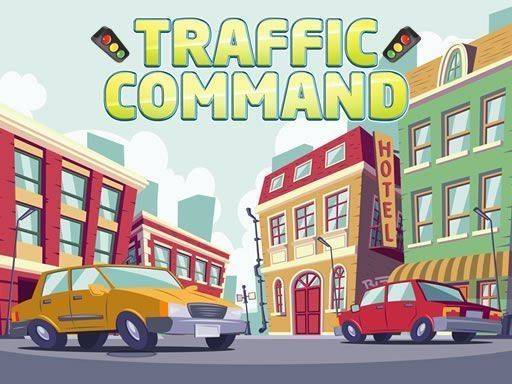
Road Logic Puzzle Challenge takes a single idea, switching traffic lights to manage vehicle flow, and builds a full puzzle game around it. The strength is clarity: the mechanic is obvious, feedback is immediate, and difficulty grows through added lanes, faster cars, and denser traffic rather than new rules. It suits players who enjoy planning and pattern reading, and its short levels fit easily into breaks. The limitation is that the core loop stays narrow, so players seeking variety or story may find it repetitive over long sessions.
Every level in Road Logic Puzzle Challenge centers on one action: changing traffic signals. A red light stops vehicles; a green light lets them through. The puzzle comes from deciding when to switch. You watch cars approach, judge the gaps between them, and change the light at the right moment. A poorly timed switch causes a backup, while a well-timed one keeps everything flowing. That single mechanic creates a steady rhythm that is simple to grasp but hard to perfect.
Early scenarios give you room to experiment: one road, light traffic, and little pressure. As you progress, the game adds multiple lanes, faster vehicles, and more frequent arrivals. The shift is gradual, so you are never overwhelmed, but each new level asks for sharper focus and better planning. You start thinking several moves ahead instead of reacting to what is already on screen. The challenge grows through complexity, not through unfair spikes.
Success depends on observation. Vehicles do not all move at the same speed, and the gaps between them vary. Some moments call for patience; others reward a quick switch. The game favors players who anticipate rather than react. You learn to read a lane, predict when a gap will close, and time your signal accordingly. This mix of watching, predicting, and acting gives the puzzle its mental edge without any stressful or inappropriate content.
The visual design stays out of the way. Vehicles are easy to tell apart, traffic lights are prominent, and the interface responds immediately to taps or clicks. That instant feedback matters in a timing game, because you need to know whether a decision worked. The uncluttered look keeps your attention on the road, which makes the game approachable for a wide range of players, from younger children to older adults.
A single level takes only a few minutes, so the game fits into short breaks. You can also chain several levels together for a longer session. There are no penalties for stopping, and progress saves automatically. That flexibility suits both casual players who want a quick mental pause and puzzle fans who prefer to settle in for a longer run.
Sign in to comment
You must be logged in before posting a review or rating.
No comments yet. Be the first to comment!






Editorial Notes