 ArrowWord Games

Companion Creatures: Animal Care Play is a gentle life-skills game aimed at younger children. Its strengths lie in the absence of pressure mechanics and the way grooming, styling, and home decoration all feed back into the core theme of caring for two animal companions. The simple tap-and-drag controls make it accessible, though the experience is intentionally low-challenge and may feel limited for older players seeking progression systems.
Companion Creatures: Animal Care Play builds its experience around a simple loop: check on two animal companions, then keep them clean, comfortable, and happy. Each care action is a small decision, and the game treats these routines as the main activity rather than a side task. Because there are no timers or scores, players can repeat steps at their own pace without pressure.
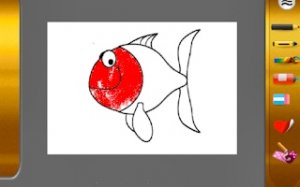
Once basic care is done, the game shifts toward personal expression. Children can bathe their animals, brush their coats, and apply colorful nail accents. A dressing system offers outfits, accessories, and hairstyles that can be mixed and matched. This is where the game encourages decision-making: every combination changes how a companion looks, and there is no single correct result.
A separate room decoration feature lets players choose furniture, wall coverings, and playful decorations. Arranging these items asks children to think about space and comfort, not just appearance. The goal is a living area that feels appropriate for the animals, which ties the design activity back to the care theme instead of treating it as a disconnected extra.
The game frames responsibility and empathy as habits rather than lessons. Patience and creativity are the rewarded behaviors, and the absence of competition keeps the tone calm. Controls rely on simple taps and drags, so younger or less experienced players can move through every activity independently. Bright visuals and a friendly style keep the content appropriate for children.
Sign in to comment
You must be logged in before posting a review or rating.
No comments yet. Be the first to comment!






Editorial Notes