 ArrowWord Games
ArrowWord Games
ArrowWord Games
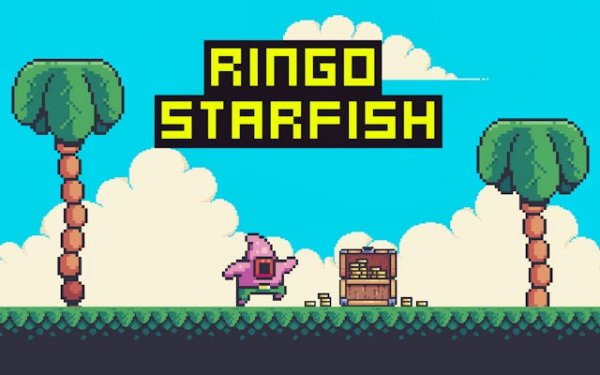
Stellar Echinoderm: Gem Hunt delivers a focused retro platforming experience set underwater. The starfish's movement options—swimming, clinging, and short speed bursts—pair with hazards like currents and collapsing platforms to create stages that reward timing and exploration. Hidden gems and a short invulnerability ability encourage replay. The pixel art and synthesized audio aim for classic arcade feel. Players who enjoy gem-hunting platformers with checkpoints and gradual difficulty will find a fair challenge, though those seeking fast-paced action may prefer quicker-paced titles.
Stellar Echinoderm: Gem Hunt unfolds across a series of underwater stages rendered in pixel art. Shallow tide pools use warm coral tones, while deeper rocky caves shift to darker palettes that create contrast and a sense of depth. Drifting seaweed and passing fish animate the background without pulling attention from the action. The visual style references 8-bit and 16-bit eras, and the interface—health bars and gem counters—follows the same retro theme.
Players guide a starfish with responsive controls that allow swimming in multiple directions, clinging to surfaces, and short bursts of speed. Obstacles include moving barriers, collapsing platforms, and currents that push the character off course. Some sections demand careful positioning to slip past hazards, while others reward quick reflexes. Learning to time movements and adjust to each environment is central to making progress.
Each stage asks players to gather a set number of gems. These items appear in plain sight and in concealed spots—secret alcoves behind waterfalls or inside coral formations often hold extra gems or useful items. Exploring every corner can reveal shortcuts that make later attempts faster. The design encourages repeated playthroughs to find all collectibles and improve completion times.
Various sea creatures act as obstacles. Some follow predictable patrol routes; others react to the player's movements. The starfish can activate a temporary defensive ability that grants invulnerability for a short time. This power-up appears at key points and can be used to pass through dangerous zones or reach otherwise inaccessible areas. Deciding when to trigger it adds a layer of strategy to each stage.
Stages are divided into sections with checkpoints that save progress. These markers appear after completing certain objectives or reaching specific locations. Losing all lives returns the player to the last checkpoint rather than the beginning of the stage, which reduces frustration while maintaining a fair challenge. Later stages include more checkpoints as the difficulty rises. Sound effects for collecting items, defeating enemies, and activating abilities use simple synthesized tones, and background music changes between stages to reflect different underwater zones.
Sign in to comment
You must be logged in before posting a review or rating.
No comments yet. Be the first to comment!








Editorial Notes