Reading the Underground
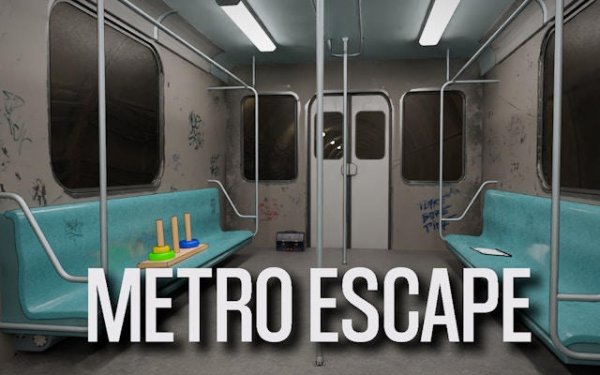
Players move through a network of interconnected underground chambers, each holding a distinct mental challenge. Progress depends on observation: faded wall markings, odd arrangements of objects, and subtle shifts in lighting are the raw material for every puzzle. These details feed into tasks that ask you to match patterns, sequence symbols, or combine items in ways that are not immediately obvious. Nothing is timed, and there is no way to fail, so you can test ideas freely and learn from wrong turns.
Puzzle Logic and Structure
Challenges start with simple spotting tasks and grow into multi-step riddles that stretch across several rooms. Some rely on visual pattern recognition, others on logical deduction or memory. A few require using objects gathered earlier, which makes inventory management part of the thinking rather than a side chore. The difficulty curve is gentle: early puzzles teach the basic mechanics before introducing more complex variations. Optional hints are available for anyone who prefers a nudge over a long stall.
Atmosphere and Exploration
The abandoned subway is rendered with soft colors and gentle shadows, creating a soothing backdrop for thought. Ambient sounds—distant dripping water, faint echoes of trains—add depth without distraction. The station is non-linear, with multiple paths that loop back on themselves, so you can revisit cleared areas and find clues you overlooked. Hidden compartments and secret passages reward thorough exploration. Discovery here is gradual: a locked door finally opens, a hidden message clarifies a previous puzzle.
Pacing and Accessibility
The game respects your schedule. Sessions can last a few minutes—enough for one puzzle—or extend into longer explorations. The interface is minimal, with no complex menus or tutorials. Controls focus on point-and-click interactions, which keeps the game suitable for players of all ages and experience levels, including those new to puzzle games.
Compatibility
✅ Works on PC & Mobile | Recommended: Chrome / Safari / Edge
 ArrowWord Games








Editorial Notes