 ArrowWord Games
ArrowWord Games
ArrowWord Games
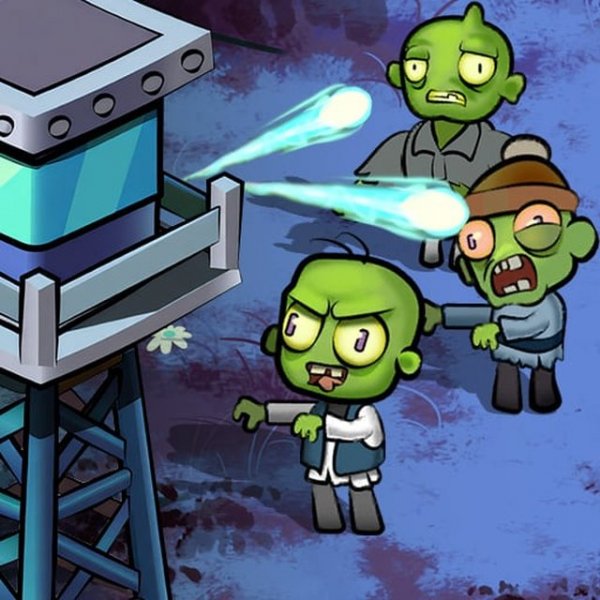
Frontier Keep Strategy Defense focuses on planning and resource allocation rather than direct conflict. The combination mechanic for towers and the workshop upgrade path give players meaningful decisions between waves. Its family-friendly design and clear feedback make it accessible to younger players, though the lack of direct combat may not appeal to those seeking action. The game is built for repeated play, with each wave presenting a different challenge.
Frontier Keep Strategy Defense puts you in charge of a small community surrounded by wilderness. Waves of creatures periodically attempt to breach your perimeter. Your job is to plan and allocate limited resources rather than control a character directly. The game suits players aged seven and older, and it avoids graphic content. A sturdy fence forms your first line of protection, but it weakens over time and needs reinforcement. Two basic defensive structures are available from the start, and you can upgrade them by combining identical units into more advanced versions.
The workshop acts as the hub for constructing defenses. Upgrading it unlocks better options, so investing in it early pays off. Combining two identical towers produces a stronger version with improved capabilities. Gold and points earned during each wave let you install new structures in uncovered areas or improve existing ones. Deciding when to save for a major upgrade versus spending on small fixes is a core part of the strategy.
Players use a mouse or touch input to place defensive structures around the settlement. You begin with a small number of basic towers that fit into designated spots. The game provides clear feedback on your settlement's status, so you can adjust your strategy between waves. Monitoring your fence for weak areas and placing additional defenses there helps prevent breaches. Each wave presents a different challenge, which encourages repeated play and experimentation with placement.
Sign in to comment
You must be logged in before posting a review or rating.
No comments yet. Be the first to comment!







Editorial Notes