 ArrowWord Games
ArrowWord Games
ArrowWord Games
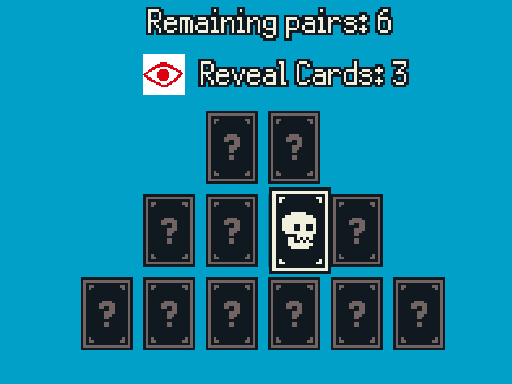
Memory Match Puzzle Quest keeps its scope narrow: flip cards, remember positions, clear the grid. That simplicity is its main strength, because the challenge comes from larger layouts rather than complicated rules. Children and adults can both play without a steep learning curve. The main limitation is variety, since the input describes only the matching mechanic and does not mention story, characters, or alternate modes. Players seeking depth beyond memory training may find it repetitive over time.
Every round in Memory Match Puzzle Quest starts with a grid of face-down cards. Each card hides an image, and your only action is to flip two cards per turn. When the images match, the pair stays face-up. When they do not, both cards turn back over after a brief pause. The entire game rests on that single decision: which two cards to reveal next.
The challenge comes from the grid itself. Smaller layouts let you warm up with fewer positions to track. Larger layouts increase the number of cards and the number of images you must hold in your head at once. Because the game tracks your moves and time, you can compare one attempt against another and see whether your recall is getting faster or more accurate.
There are no complex rules and no countdown timer creating pressure. That makes the game approachable for children building concentration and for adults who want a low-stress mental workout. The adventure tag reflects the small sense of discovery that comes from revealing each card, but the core experience stays grounded in logic and memory rather than exploration or story.
Focus on remembering the positions of cards you have already flipped, even when they did not match. Building a mental map of the grid matters more than flipping quickly. Some players create associations for each image to make recall easier. Starting with smaller grids and moving up only when you feel comfortable is the most reliable way to improve.
Sign in to comment
You must be logged in before posting a review or rating.
No comments yet. Be the first to comment!







Editorial Notes