 ArrowWord Games
ArrowWord Games
ArrowWord Games
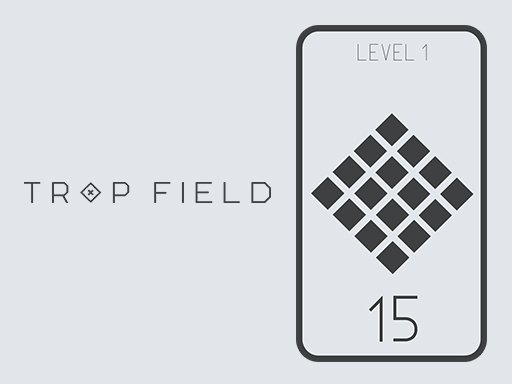
Memory Grid Puzzle delivers exactly what its name suggests: a straightforward test of short-term recall on an expanding grid. The minimalist presentation removes clutter, letting the memory challenge take center stage. Difficulty rises steadily as grids grow and obstacles multiply, which keeps sessions engaging for casual players and puzzle enthusiasts alike. The lack of complex rules makes it easy to pick up, though the one-mistake-ends-the-round rule demands concentration. It is best suited for short, focused play sessions rather than marathon runs.
Memory Grid Puzzle presents a grid where certain tiles are safe and others are not. The player's only task is to tap the safe tiles without hitting an unsafe one. There are no complex rules or controls—just observation, recall, and a single tap per tile. The game strips away distractions, leaving a pure test of short-term memory and attention to detail.
Each successful level expands the grid or adds more obstacles, steadily raising the memory load. Early rounds use small grids with few unsafe tiles, giving players room to learn the pattern. Later rounds demand that you retain more information and make faster decisions. The difficulty curve is gradual, so improvement feels earned rather than sudden.
The interface is intentionally minimal, with no clutter or unnecessary decoration. Subtle visual cues or patterns may appear to help players remember safe tiles, but the primary challenge remains internal recall. The game does not rely on violent or inappropriate themes, making it suitable for all ages. Its clean look keeps focus on the grid itself.
Rounds typically begin with a brief preview of the grid that players must memorize before selection starts. The loop is simple: observe, remember, select. Because each session relies on fresh recall, the game works well in short bursts. Players who practice regularly can sharpen their memory and push deeper into the expanding grids.
Sign in to comment
You must be logged in before posting a review or rating.
No comments yet. Be the first to comment!








Editorial Notes