 ArrowWord Games
ArrowWord Games
ArrowWord Games
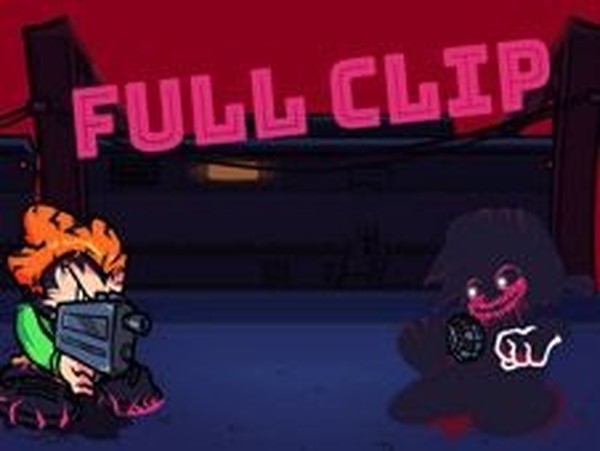
Pico Rhythm Showdown keeps its scope tight: arrow prompts, keyboard input, and a consecutive-miss rule that punishes lapses more than isolated errors. The open-source, browser-based format removes install barriers, and the family-friendly presentation makes it easy to recommend for younger players or anyone wanting a non-violent timing challenge. The main limitation is the reliance on arrow keys, which ties it to desktop play. Within those bounds, it delivers a clear and honest rhythm test.
Pico Rhythm Showdown frames its rhythm mechanics as a contest between two characters. Each song becomes a back-and-forth exchange, and the arrow prompts that appear above the characters represent the notes you need to hit. The duel setup gives the note chart a visual context beyond a standard scrolling lane, though the core task remains the same: match inputs to the beat.
Notes arrive as floating arrow symbols rather than a fixed vertical track. You watch the screen, identify which direction each arrow indicates, and press the corresponding arrow key at the right moment. Timing is judged against the song, so early or late presses count as misses. The visual placement above the characters means your eyes stay near the action rather than scanning a separate note highway.
The game ends when you miss too many notes in a row, not when you miss a single note. That consecutive-miss threshold is the main difficulty lever: a few scattered mistakes are survivable, but a sustained lapse in attention will cut the song short and send you back to the start. This makes recovery after a mistake more important than perfection on every individual note.
Pico Rhythm Showdown runs in a browser with no download step, and its open-source design means the project is available for inspection and community contribution. The content is family-friendly and non-violent, with the challenge coming entirely from timing and coordination. Players who enjoy music-based gameplay but want a low-pressure entry point will find the format approachable, while the consecutive-miss rule keeps a baseline of tension for anyone chasing a full clear.
Sign in to comment
You must be logged in before posting a review or rating.
No comments yet. Be the first to comment!









Editorial Notes