 ArrowWord Games
ArrowWord Games
ArrowWord Games

Thomas Railway Beat Match Game delivers exactly what its name suggests: a rhythm challenge built around pressing arrow keys in time with moving symbols. The two-mode structure—story and free play—gives players a choice between guided progression and open practice. Its family-friendly design and bright visuals make it approachable for younger players or anyone seeking a low-pressure music game. The lack of specified multiplayer or advanced customization may limit long-term appeal for competitive rhythm fans, but the core timing mechanic is clear and easy to grasp.
In Thomas Railway Beat Match Game, arrow symbols travel across the screen toward a fixed target zone. Your job is to press the matching arrow key at the exact moment each symbol arrives. A health bar at the top tracks your performance; if it empties, the song stops and you must restart. The challenge lies in maintaining consistent timing rather than speed alone, so accuracy matters more than rushing inputs.
The main menu splits the experience into story mode and free play mode. Story mode provides structured progression through songs, while free play lets you practice specific tracks without the pressure of a linear sequence. This division suits both players who want a guided path and those who prefer open-ended rehearsal. Neither mode introduces mature themes, keeping the content appropriate for younger audiences.
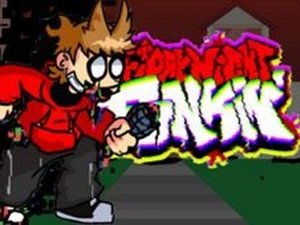
Colorful graphics and a cheerful soundtrack define the game's atmosphere. The train-themed setting gives the interface a distinct identity compared to generic rhythm titles. Visual cues are designed to be easy to follow, helping players anticipate when to press each key. The combination of clear symbols and upbeat music aims to make repeated attempts feel welcoming rather than frustrating.
Starting with easier songs in free play builds familiarity with the controls before tackling story mode. Listening closely to the music helps predict note timing, and watching the health bar encourages streak maintenance. After a missed note, focusing on the next symbol prevents a chain of errors. Short breaks between attempts can preserve concentration during longer practice sessions.
Sign in to comment
You must be logged in before posting a review or rating.
No comments yet. Be the first to comment!




Editorial Notes