 ArrowWord Games
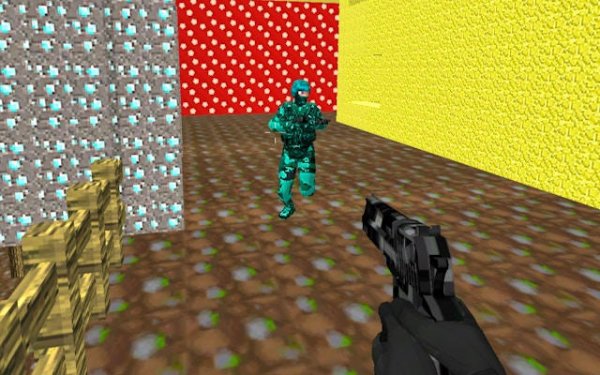
Pixel Arena Multiplayer Action targets players who want quick, score-based competition without a steep learning curve. Its 21 maps, ranging from tight urban spaces to open arenas, reward map knowledge and positioning as much as reflexes. Solo and team modes serve different moods, while gear options and skin cases add personalization. The block-style graphics give it a distinct look, though the input does not detail progression depth or long-term rewards, so players seeking extensive meta-systems should note that limitation.
Pixel Arena Multiplayer Action is a free-to-play competitive game where the core objective is to outscore opponents. Matches take place across 21 uniquely designed maps that range from tight urban spaces to open arenas. The variety in map layout forces players to adjust their approach each round, whether they are navigating enclosed corridors or covering open ground. [IMG_1] Solo mode pits every player against each other for the highest individual score, while team mode shifts the focus to cooperation and communication. In both formats, quick movement and smart positioning matter more than raw aggression.
Players use intuitive controls to move, aim, and interact with the environment. A typical match involves navigating the map, collecting items, and outmaneuvering opponents to score points. Staying mobile makes a player a harder target, and awareness of surroundings helps avoid being caught off guard. The game rewards quick thinking and precise actions, so learning the layout of each map is a practical advantage. Anticipating where opponents may appear allows for better planning and fewer wasted movements. [IMG_2]
An extensive selection of gear options lets players customize their approach. These tools can affect movement or interaction speed, adding a layer of decision-making before each match. Character customization is available through skin cases, allowing players to personalize their appearance. The premium pixel graphics create a distinct block-style look that separates the game from more realistic competitors. [IMG_3] The combination of simple visuals and modern competitive mechanics gives the game a nostalgic yet fresh identity.
New players can start by exploring the maps and practicing basic movements before entering more competitive matches. Regular practice sharpens reflexes and builds map knowledge, which directly improves positioning. In team modes, communicating with teammates helps coordinate actions and cover weaknesses. Experimenting with different gear reveals which loadout suits a given playstyle. Because the game is designed to be accessible to newcomers while offering depth for experienced players, consistent practice and adaptation are the most reliable paths to improvement.
Sign in to comment
You must be logged in before posting a review or rating.
No comments yet. Be the first to comment!







Editorial Notes